
Introduction
In this article, we discuss the importance of a balanced diet when you are breastfeeding and recommend some of the best foods for breastfeeding.
Newborn babies feed up to 12 times a day and the food you eat will ensure that your baby is getting all the right nutrients needed for growth and development.
Research suggests that breastfeeding moms need a minimum of 1,800 calories daily, and there will be a significant loss of calcium and body fluid while you are breastfeeding.
That is why breastfeeding moms need a balanced diet that includes the right amounts of water, protein, carbohydrates, healthy fats, fibre, minerals, and vitamins.
You don’t need a perfect diet with expensive ingredients. Just make sure you are well-nourished and hydrated because breastfeeding will make you feel more tired than usual.
Let’s explore this topic in more detail.
What are the benefits of breastfeeding for mom and baby?
How does breastfeeding benefit mothers?
Not only is breastfeeding a wonderful opportunity for mom to bond with baby, but studies show that breastfeeding can significantly reduce your risk of heart disease, type 2 diabetes, and breast and ovarian cancer later in life.
In addition to this, the oxytocin (the love hormone) that is released while breastfeeding, significantly reduces stress levels, increases milk production and causes your uterus to shrink back to its original size.
Furthermore, you will lose weight faster and breastfeeding saves you time and money.
How does breastfeeding benefit babies?
There are many reasons why babies should have breastmilk, but these are the main 5 advantages of breastfeeding babies:
- Breastmilk is the healthiest source of nutrition for babies, and it does not contain any artificial ingredients
- Breastmilk protects your baby’s body against infections, diseases (diabetes, asthma), bacteria, obesity and SIDS (Sudden Infant Death Syndrome) (Learn more…)
- Breastmilk is full of powerful antibodies that protect your baby against pathogens and viruses
- Research proves that breastfed babies have higher IQ scores, and improved cognitive development and verbal skills (Learn more…)
What can I do to increase my milk supply?
Although you do not have control over your body, there are a few things you can do to potentially increase your milk supply:
- Pump or feed more frequently
- Ensure your baby has a deep latch every time
- Get plenty of skin time with your baby
- Sleep as much as possible (lack of sleep inhibits milk production)
- Pump for 10 minutes after every feed to completely empty your breasts
- Switch breasts for every feed
- Stay hydrated, you will need extra water daily
- Eat a balanced, nutrient-dense diet, you will need extra calories daily
- Don’t skip meals
- Avoid stress wherever possible – cortisol inhibits milk production
- Make time to relax (bath, read, journal, paint, rest – whatever works for you)
- Continue taking your prenatal vitamins
- Visit a lactation consultant if you are struggling too much
How to Eat Healthy When You are Breastfeeding
Is it true that breastfeeding moms need extra calories?
Yes, breastfeeding mom’s need about 300-500 extra calories daily at first, and up to 1000 additional calories daily as baby grows.
While it is not true that you should eat twice as much once you start breastfeeding, your body will be burning through nutrients and minerals much faster than before, so you will feel hungry most of the time and will need to eat more.
If you suddenly feel like you want to eat sweet things, that’s your body signalling that you are not getting enough calories and that your blood sugar levels have dropped.
This happens because sugar burns faster and gives you short bursts of energy when there are not enough calories to burn, so make sure you have snacks throughout the day.
When you don’t get enough calories, your blood sugar levels will be lower, which affects you negatively on a physical and psychological level.
To make matters worse, your body will break down muscle tissue for energy if you don’t eat enough, which will make you feel weak.
Eventually, not eating enough can lead to devastating nutritional deficiencies, such as:
- Anaemia (iron deficiency)
- Osteoporosis (Calcium and Vitamin D deficiency)
- Childhood blindness (Vitamin A deficiency)
- Hypoproteinaemia (protein deficiency)
- Acrodermatitis enteropathica (AE)
Learn more about the causes and symptoms of deficiencies, and how you can prevent and treat them…
Signs that you are not getting enough calories daily:
- Fatigue
- A drop in milk supply
- Exhaustion
- Irritability and mood swings
- Hair loss
- Weight management issues
- Sugar cravings
- Depression
- Loss of vision
- Convulsions
- Dermatitis
- Slow healing of wounds and bruises
- Swelling and fluid retention
- Muscle loss
- Loss of balance
Not only do you need to increase your calorie intake, but you will need to drink about 3 Litres (10-16 cups) of water daily to counter the loss of up to 800ml of body fluid every day.
What are the best supplements for breastfeeding moms?
A balanced diet is the best source of nutrition, but taking high quality supplements can help prevent deficiencies.
You can continue taking your prenatal vitamins after pregnancy. Doctors recommend the following:
- Vitamin D
- Iron (replenish blood loss)
- Omega-3 (brain and eye development)
- Vitamin B12
- Iodine (thyroid function)
Why do I need a prenatal supplement?
Most doctors recommend that you start taking prenatal vitamins at least 2 months before you try to conceive, but you should start as soon as you find out you are pregnant if it is not possible to start earlier.
Now you might be wondering why women need to take prenatal vitamins, right through pregnancy until they stop breastfeeding.
Prenatal vitamins provide you and your growing baby with all the essential vitamins and minerals you need to ensure optimal bone health, nutrient absorption, and cognitive and physical development.
Not only that, but prenatal supplements contain higher doses of folic acid, which help prevent serious birth defects of the spinal cord and brain.
Not sure which prenatal supplement to use?
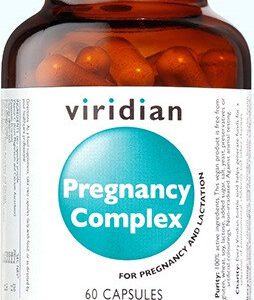
The Viridian Pregnancy Complex is a vegan-friendly, highly-rated customer favourite from Faithful to Nature that contains no fillers or preservatives, and most moms report not feeling nauseated when using this product.
What are the best foods for breastfeeding moms?
Now that we have explained the benefits of breastfeeding and the importance of a balanced diet, let’s look at the foods that will sustain your milk supply and keep you and your baby well-nourished:
What are the best healthy fats for breastfeeding moms?
Food sources:
Avocados, nuts, olive oil, fatty fish, cheese, chia seeds, dark chocolate, eggs, flaxseed, olives, tofu, yoghurt
Benefits:
Hormone function, nutrient absorption, memory
What are the best leafy greens for breastfeeding moms?
Food sources:
Spinach, kale, Swiss chard
Benefits:
Immune function, detoxification, digestive health
What are the best dairy foods for breastfeeding moms?
Food sources:
Milk, cheese, yoghurt, keffir
Benefits:
Bone health, muscle growth, tissue repair, gut health
What are the best whole grains for breastfeeding moms?
Food sources:
Oats, brown rice, whole wheat bread and pasta, quinoa, buckwheat, wholegrain cereals
Benefits:
Energy production, digestive support, cholesterol control
What are the best Protein-rich foods for breastfeeding moms?
Food sources:
Lentils, lean meats, beans, fish, eggs, yoghurt, nuts, milk
Benefits:
Muscle building, tissue repair, bone health, hair health, immune support, milk production
What are the best Omega-3-rich foods for breastfeeding moms?
Food sources:
Flaxseed, walnuts, sardines, salmon, kidney beans, hemp seeds
Benefits:
Cardiovascular health, anti-inflammatory, eye health, brain health
What are the best fruits and vegetables for breastfeeding moms?
Food sources:
- Leafy greens (iron; calcium; vitamins A, C, E K)
- Carrots, Sweet potatoes (vitamin A)
- Peppers (vitamin C)
- Broccoli (vitamin A, folate, calcium)
- Cabbage, broccoli (folate)
- Beetroot, Spinach, legumes (Iron)
- Tomatoes (Vitamins A, C; folic acid)
- Pumpkin (Vitamins A, C, E; Potassium)
Benefits:
Immune support, antioxidants, anti-inflammatory, hydration, bone health, digestive support, eye health, brain health, muscle support
What are the herbs for breastfeeding moms?
- Fennel
- Fenugreek
- Nettle leaf
- Alfalfa
- Ginger (in moderation)
Is bone broth good for breastfeeding?
Yes, bone broth is an incredibly nutritious source of calcium and other essential minerals and vitamins.
Not only is it very hydrating, but it replenishes your proteins, heals the gut lining and helps your body repair tissue after birth.
Opt for warm, home-made bone broths that you can easily add to meals or sip on during the day.
What are the best snacks for breastfeeding?
The following snacks are safe to eat and drink when you are breastfeeding:
- Herbal teas (chamomile, Rooibos, peppermint)
- Sugar-free fluids
- Smoothies
- Snacks made with oatmeal and wholegrains
- Nuts and seeds
- Rice cakes
- Protein-rich snacks (yoghurt, hummus, eggs, roasted chickpeas, tuna, protein bars, cottage cheese)
- Nut butters
Foods to avoid or limit when you are breastfeeding:
Most foods are safe to eat when you are breastfeeding, but doctors recommend avoiding or limiting the following:
- Refined carbohydrates (white bread, pasta, rice; sugary breakfast cereals, cookies, cool drinks, white flour snacks)
- Caffeine (coffee, Coca-Cola, energy drinks, green tea, black tea, dark chocolate, chocolate-flavoured products)
- Alcohol (it passes directly into breastmilk, which impairs infant development)
- Large amounts of parsley, sage, menthol and peppermint (may reduce milk supply)
- High-mercury fish (can permanently damage an infant’s nervous system)
- Too much Vitamin A (can cause weight loss and skull deformities in infants)
- Too much Vitamin B6 (can suppress prolactin, which blocks milk production)
- Too much Vitamin D (can cause hypercalcemia, dehydration and poor feeding in infants)
- Too much Iodine (can cause hypothyroidism, skin rash, lethargy and diarrhoea in infants)
Additionally, if your baby is extremely gassy and suffers from colic, avoid dairy products, cabbage, cauliflower, broccoli and beans.
Babies with eczema may also find relief if you exclude dairy products, and strong flavours like garlic could repel your baby and interfere with nursing.
How to Know Your Baby is Feeding Well and on Track
Which minerals and vitamins do babies need most?
The most important minerals and vitamins for babies are:
- Iron (blood cell production and brain development)
- Zinc (immune support and physical growth)
- Calcium (bone health and development)
- Vitamin D (calcium absorption and bone strength)
- Omega-3 (brain development and eye health)
- Vitamin K (blood clotting)
- Vitamin A (eye health, immune support and skin health)
- Vitamin C (immune support and iron absorption)
What are the signs your baby is feeding well?
If you are wondering how to tell if your baby is feeding well, check for the following:
- 6+ wet nappies every 24 hours (by day 5)
- 2+ soiled nappies every 24 hours (yellow colour)
- Feeding 8+ times over 24 hours
- Baby is latching well, visually sucking
- Rounded cheeks when sucking
- You can see and hear your baby swallowing
- Baby appears relaxed after feeds
- Tummy seems full
- Baby is alert but not fussy when awake
- Baby returns to birth weight after 2 weeks
What are the signs of deficiency in babies?
On the other hand, there are several health indicators that you should always monitor closely with newborns to prevent serious nutrient deficiencies:
Feeding:
- Not latching well
- Lack of appetite
- Constipation
- Diarrhoea
Physical Development:
- Not gaining weight
- Weak muscle tone
- Cold hands and feet
- Dry skin
- Brittle hair
- Unusually pale skin (lips, gums, nail beds)
Mood changes
- Abnormal irritability
- Fussiness
- Lethargic
- Extreme fatigue
If you notice any of these symptoms and they are not improving within a few days, we recommend visiting your paediatrician for a check-up.
When should you seek medical advice?
While newborns appear sleepy most of the time and only wake to eat, you should seek medical advice if your baby:
- Is lethargic and unresponsive most of the time
- Does not wake to feed
- Does not produce 6+ wet diapers a day
- Does not product 2+ soiled diapers a day
- Has poo that is black, bright red or whiteish
- Has persistent diarrhoea or is constipated
- Has poo that looks like green mucus
- Cries or bleeds when pooing
- Has a fever or severe pain
Conclusion
We know it may feel overwhelming to start breastfeeding, whilst having the pressure of eating healthy and eating enough when you are tired.
The good news is that your newborn baby will get all their essential nutrients, vitamins and minerals from your breastmilk.
So as long as you remember to eat 3 full meals a day, have plenty of healthy, nutrient dense snacks throughout the day and stay hydrated, you and your baby will cope well.
We hope that knowing what the 20 best foods for breastfeeding moms are, will ease some of the anxiety you have as a new mom.
Every mom will experience breastfeeding differently. Don’t feel pressured to be perfect because we know it’s not as easy as it seems, especially when you are tired.
Know that it will get easier once you get into a rhythm with your baby and establish a routine that works for both of you.
💡Helpful Tips
- Use a daily activity app to help you keep to your routine
- Printing out a list of meal and snack ideas that you keep in the kitchen
- Set alarms for every 2 hours, aligned with baby’s rhythm
- Invest in a high-quality handsfree breast pump
- Nap when baby naps – the less you sleep, the less milk you produce
How often should I be breastfeeding?
Newborns feed upto 12 times over 24 hours, so feed on demand for the first few weeks.
How many calories do I need daily when breastfeeding?
Breastfeeding moms need up to 1,800 calories daily.
What are the components of a healthy, balanced diet?
water, protein, carbohydrates, healthy fats, fibre, minerals, and vitamins.
What are the benefits of breastfeeding?
Reduce your risk of heart disease, type 2 diabetes, and breast and ovarian cancer
Releases oxyrocin, which improves bonding and increases milk production
Provides all essential nutrients for baby
Contains powerful antibodies for baby
Improves baby’s mental and physical developmentWhat are the symptoms of a nutrient deficiency?
Fatigue
A drop in milk supply
Exhaustion
Irritability and mood swings
Hair loss
Weight management issues
Sugar cravings
Depression
Loss of vision
Convulsions
Dermatitis
Slow healing of wounds and bruises
Swelling and fluid retention
Muscle loss
Loss of balanceWhy should I take a prenatal supplement?
Prenatal supplements support heart, brain, and bone health, promote adequate nutrient absorption for mom and baby, and are necessary for your baby’s proper cognitive and physical development.